
Self-Care By Tahira is a user-supported platform. Meaning we may make a commission at no extra cost to you when you use our links to make a purchase. Learn more on our Affiliate disclosure page.
In today’s fast-paced world, stress has become a prevalent issue affecting many individuals. While there are various techniques to reduce stress, one often overlooked aspect is how to reduce stress with diet.
Stress is a normal part of life. Everyone experiences stress, and it can actually be beneficial if managed properly. However, when stress becomes overwhelming, it begins to have negative effects on your personal and professional life.
For more about the positive impact of stress, please visit: The Truth About Stress Gains: How To Make It Beneficial
The foods we consume play a vital role in our overall well-being, including stress levels. In this article, we will explore how specific dietary choices can help reduce stress and promote inner calm. By incorporating stress-reducing foods into your diet, you can nourish your body, support your mental health, and find a greater sense of balance.
1. Include Mood-Boosting Foods: How to Reduce Stress With Diet
Certain foods can positively influence your mood and help reduce stress. Incorporate complex carbohydrates like whole grains, which increase serotonin levels, promoting feelings of happiness and relaxation.
Foods rich in omega-3 fatty acids, such as edible algae, chia seeds, and walnuts, can also support brain health and reduce anxiety. Additionally, dark chocolate in moderation has been shown to stimulate the release of endorphins, acting as a natural mood enhancer.
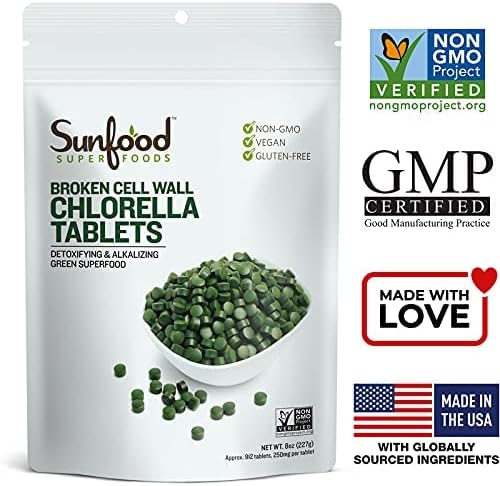
SunFood Organic Chlorella Tablets
Broken Cell Wall Chlorella Tablets are a powerful superfood rich in nutrients like vitamins, minerals, and antioxidants. The broken cell wall allows for better absorption, supporting detoxification, immune health, and overall wellness.

Hu Kitchen Organic Dark Chocolate Gems
Dark chocolate is packed with antioxidants and nutrients that support heart health and enhance brain function. Its natural compounds help boost mood and reduce stress, making it a delicious way to indulge.
2. Prioritize Nutrient-Dense Meals: How to Reduce Stress With Diet
A well-balanced diet is essential for managing stress. Focus on consuming nutrient-dense foods that provide essential vitamins and minerals, such as whole, organically sourced foods.
Increase your intake of fruits and vegetables, as they are packed with antioxidants that combat the harmful effects of stress on the body. Incorporate leafy greens, berries, citrus fruits, and colorful vegetables into your meals to promote overall health and resilience.
3. Embrace Adaptogens: How to Reduce Stress With Diet
Adaptogens are natural substances that help the body adapt to stress and restore balance. Including adaptogenic herbs and spices in your diet can have a calming effect on the nervous system.
Popular adaptogens like ashwagandha, rhodiola, and ginseng can help regulate cortisol levels, improve focus, and increase resilience to stress. Incorporate these herbs in teas, smoothies, or as supplements, following recommended dosages.

MaryRuth’s Ginseng- Organic Herbal Supplement
Enhance your energy and focus with MaryRuth’s Ginseng, a natural adaptogen known for supporting vitality and reducing stress. This plant-based supplement helps balance your body’s response to stress, promoting overall wellness and mental clarity.
4. Limit Stimulants and Processed Foods: Reduce Stress With Diet

While certain foods can alleviate stress, others can exacerbate it. Limit your consumption of stimulants such as caffeine and avoid alcohol, as they can contribute to anxiety and disrupt sleep patterns.
Similarly, highly processed and sugary foods can lead to energy crashes and fluctuations in mood. Opt for whole, organic, unprocessed foods and hydrate adequately with water to support your body’s natural balance.
5. Practice Mindful Eating: Reduce Stress With Diet

In addition to food choices, practicing mindful eating can contribute to stress reduction. Slow down and savor each bite, paying attention to the taste, texture, and aroma of your food.
Mindful eating encourages a greater connection with your body and promotes a relaxed state of mind. Avoid distractions like screens and take time to enjoy your meals in a calm and peaceful environment.
Conclusion
The relationship between diet and stress is undeniable, and by making conscious dietary choices, you can effectively reduce stress and promote inner calm. Prioritize mood-boosting foods, include nutrient-dense meals, and incorporate adaptogens into your diet.
Avoid excessive consumption of stimulants and processed foods. Embrace mindful eating practices to fully experience the nourishment your meals provide.
Remember, a stress-reducing diet goes hand in hand with other stress management techniques, such as exercise, relaxation techniques, and sufficient sleep.
By taking a holistic approach to your well-being, you can create a foundation of resilience and find a healthier balance amidst the demands of daily life.
Daily Planner: How To Get Organized & Achieve Harmony
Looking for a way to stay organized, inspired, and motivated while taking care of your mental and physical health? Look no further than this daily planner with built-in holistic self-care prompts.


- Inspiring Graphics Hardcover Cover or Paperback.
- To-do List With Time & Date Prompts.
- Compact, 6×9.
- 184 pages, plus front and back makes 368 pages.
- Keep track of your goals, tasks, appointments, and more.
- Built-in holistic self-care prioritizer for Nutritional, Physical, Mental, Emotional & Spiritual Fitness.


Like This?
Share it
References:
Harvard School of Public Health. (2020, October 5). Stress and Health. The Nutrition Source. https://www.hsph.harvard.edu/nutritionsource/stress-and-health/
Study: Stress may cause excess abdominal fat in otherwise slender women. (2000, September 22). YaleNews. https://news.yale.edu/2000/09/22/study-stress-may-cause-excess-abdominal-fat-otherwise-slender-women
Chao, A. M., Jastreboff, A. M., White, M. A., Grilo, C. M., & Sinha, R. (2017). Stress, cortisol, and other appetite-related hormones: Prospective prediction of 6-month changes in food cravings and weight. Obesity, 25(4), 713–720. https://doi.org/10.1002/oby.21790
Lemmens, S. G., Born, J. M., Martens, E. A., Martens, M. J., & Westerterp-Plantenga, M. S. (2011). Influence of Consumption of a High-Protein vs. High-Carbohydrate Meal on the Physiological Cortisol and Psychological Mood Response in Men and Women. PLoS ONE, 6(2), e16826. https://doi.org/10.1371/journal.pone.0016826
Panossian, A., & Wikman, G. (2010). Effects of Adaptogens on the Central Nervous System and the Molecular Mechanisms Associated with Their Stress—Protective Activity. Pharmaceuticals, 3(1), 188–224. https://doi.org/10.3390/ph3010188
Huang, Q., Liu, H., Suzuki, K., Ma, S., & Liu, C. (2019). Linking What We Eat to Our Mood: A Review of Diet, Dietary Antioxidants, and Depression. Antioxidants, 8(9), 376. https://doi.org/10.3390/antiox8090376


