
Self-Care By Tahira is a user-supported platform. Meaning we may make a commission at no extra cost to you when you use our links to make a purchase. Learn more on our Affiliate disclosure page.
When it comes to achieving holistic fitness, essential vitamins play a crucial role.
Alongside regular exercise, incorporating a balanced intake of nutrients, carbs, fats, and proteins, with adequate amounts of essential vitamins can greatly support our overall health and wellness journey.
In this article, we will explore the key vitamins that everyone should be sure they are including in their diet for holistic fitness.
Let’s delve into the world of essential vitamins and discover how they can optimize your well-being.
What Are Essential Vitamins and why are they so Important?
Vitamins are a group of essential micronutrients that the body needs to function properly but cannot produce on its own, meaning they must come from food (essential macronutrients) or supplements.
In other words, vitamins are essential for the body to break down and absorb carbs, fats, and proteins (essential macronutrients), generating energy effectively.
Vitamins act as catalysts in various metabolic processes, helping convert the food we eat into usable energy to sustain bodily functions.
They play a key role in regulating systems, repairing cells, and eliminating waste, ensuring the body operates efficiently.
For example, B vitamins are crucial for energy production, while vitamin D enhances calcium absorption for bone health.
Without adequate vitamins, the body struggles to process and utilize the food we eat, which can lead to deficiencies, fatigue, and other health issues.
Ensuring a diet rich in essential vitamins is key to supporting the body’s ability to thrive and maintain overall wellness.
Types of Essential Vitamins
Before we dive into vitamins, it is worth noting that, in order to maximize vitamin absorption, we need to understand the difference between them. They are typically categorized into two groups: water-soluble and fat-soluble vitamins.
Water Soluble Vitamins
Water-soluble vitamin C and B vitamins dissolve in water and are not stored in the body. These vitamins are easily absorbed and readily excreted if consumed in excess.
- Vitamin C: Boosts the immune system, aids in collagen production, and enhances iron absorption.
- B Vitamins: Includes a group of eight vitamins essential for energy production, brain function, and cell metabolism:
- B1 (Thiamine): Helps convert food into energy and supports nerve function.
- B2 (Riboflavin): Important for energy production and skin health.
- B3 (Niacin): Supports the nervous system and digestive health.
- B5 (Pantothenic Acid): Aids in hormone production and energy metabolism.
- B6 (Pyridoxine): Vital for brain development and red blood cell production.
- B7 (Biotin): Supports healthy hair, skin, and nails.
- B9 (Folate/Folic Acid): Crucial for DNA synthesis and cell division, especially during pregnancy.
- B12 (Cobalamin): Important for red blood cell formation and nerve health.
Fat Soluble Vitamins
On the other hand, fat-soluble vitamins A, D, E, and K are absorbed along with dietary fat and can be stored in the body’s fat cells for future use.
- Vitamin A: Supports vision, immune function, and skin health.
- Vitamin D: Essential for calcium absorption, bone health, and immune support.
- Vitamin E: Acts as an antioxidant, protecting cells from damage.
- Vitamin K: Crucial for blood clotting and bone health.
How to Maximize Vitamin Absorption
Eating complete meals made from whole, organically sourced foods optimizes the chances of consuming enough nutrients for adequate absorption of vitamins. For example, some vitamins require the presence of fats for optimal absorption.
In addition, fat-soluble vitamins are best absorbed when consumed with healthy dietary fats. Water-soluble vitamins, such as Vitamin C, can be enhanced by consuming raw foods that are high in this vitamin, particularly on an empty stomach.
By pairing the right foods and eating patterns, we can enhance the absorption of vitamins and maximize their benefits for overall health and well-being.
Maximizing vitamin absorption requires paying attention to how and when you consume specific nutrients. Here are some tips:
- Pair Fat-Soluble Vitamins with Healthy Fats: Vitamins A, D, E, and K are best absorbed when eaten with fat-containing foods like avocado, nuts, or olive oil.
- Combine Vitamin C with Iron: Vitamin C enhances the absorption of non-heme iron from plant-based foods. For example, pair spinach with citrus fruits or bell peppers.
- Avoid Nutrient Blockers: Limit coffee, tea, and high-calcium foods around meals rich in iron, as they can reduce absorption.
- Take Supplements Strategically: Some vitamins, like B and C, are water-soluble and absorbed best on an empty stomach, while fat-soluble vitamins benefit from being taken with meals.
- Optimize Gut Health: A healthy gut microbiome improves nutrient absorption, so include fiber-rich foods, probiotics, and prebiotics in your diet.
- Stay Hydrated: Water helps transport water-soluble vitamins (B and C) and supports digestion.
1. Vitamin D: Why It’s the Sunshine of Essential Vitamins
Vitamin D is a critical nutrient that plays a significant role in maintaining overall health and well-being.
Vitamin D is unique because your body can produce it naturally when your skin is exposed to sunlight, specifically ultraviolet B (UVB) rays. When UVB rays hit the skin, they trigger a chemical reaction that converts a cholesterol-based compound into vitamin D3 (cholecalciferol).
This form of vitamin D is then transported to the liver and kidneys, where it is further converted into its active form, calcitriol, which the body can use.
While sunlight is a key source, factors like geographic location, skin tone, and sunscreen use can affect production, making dietary sources and supplements essential to maintaining adequate levels.
One of vitamin D’s primary functions is to regulate calcium and phosphorus absorption, promoting healthy bone development and strength.
Adequate levels of vitamin D also support the immune system, reduce inflammation, and contribute to healthy muscle function.
Unfortunately, vitamin D deficiencies are prevalent due to lifestyle habits. Insufficient levels of vitamin D can lead to weakened bones, increased risk of fractures, compromised immune function, and mood disorders.
To prevent or reverse deficiencies, checking vitamin D levels through blood tests and consulting with a healthcare professional helps address shortages and ensures optimal vitamin D levels for overall health.
How to Choose Your Vitamin D: Essential Vitamins D3 and D2
Vitamin D3 is the form synthesized by the skin when exposed to sunlight. It is more easily absorbed and utilized by the body compared to vitamin D2 (ergocalciferol), which is derived from plant sources.
Numerous studies have shown that vitamin D3 supplementation is more potent in increasing blood levels of vitamin D and maintaining them within the optimal range.
Therefore, when choosing a vitamin D supplement, opting for vitamin D3 can ensure optimal absorption and utilization, supporting overall health and well-being.
Vegan Vitamin D3
While vitamin D2 (ergocalciferol) is typically derived from plant sources and considered suitable for vegans, vitamin D3 can also be obtained from a vegan source.
Traditionally, vitamin D3 has been sourced from lanolin, which is derived from sheep’s wool. However, advancements in technology have made it possible to extract vitamin D3 from lichen, a type of algae, creating a vegan-friendly source.
This plant-based vitamin D3 supplement provides an excellent option for vegans and vegetarians who want to maintain optimal vitamin D levels while adhering to their dietary choices.
By choosing a vegan source of vitamin D3, individuals can ensure they receive the benefits of this essential nutrient while aligning with their ethical and dietary preferences.
My Favorite Organic Vegan Liquid Vitamin D3.

My Favorite Organic Vegan Liquid Vitamin D3. This Vitamin d3 is made from whole foods. This d3 liquid vitamin comes in MCT oil and with bioavailable vitamin k2 to enhance absorption. And since d3 is a fat soluble vitamin, it should be taken with fat in order to be absorbed by the body
Like This?
Share it
2. Vitamin C: The Immune Booster of Essential Vitamins
Vitamin C is renowned for its immune-boosting properties and antioxidant effects. It aids in collagen synthesis, promotes wound healing, and supports the absorption of iron.
There are plenty of foods you can incorporate into your daily diet that are vitamin-c rich. Remember that fresh produce retains more vitamin C, so prioritize raw or lightly cooked options.
As a water-soluble vitamin, the body does not store vitamin C, making it crucial to consume it regularly through a balanced diet or supplements.
Adequate intake of vitamin C promotes overall well-being, supports immune function, and contributes to the body’s ability to heal wounds.
Sources of Vitamin C-rich Foods Include

- Citrus fruits
- Berries
- Kiwi
- Bell peppers
- Leafy greens

Pure Acerola Cherry Powder, Organic Bioavailable Vitamin C
Like This?
Share it
3. Vitamin E: The Cellular Protector of Essential Vitamins
Vitamin E is a vital nutrient with potent antioxidant properties, protecting cells from oxidative damage caused by free radicals. It plays a crucial role in maintaining healthy skin, hair, and eyes, and supports the immune system.
Additionally, vitamin E aids in the formation of red blood cells and helps maintain proper brain function. Deficiencies in vitamin E are relatively rare but can occur in individuals with fat malabsorption disorders or those who follow extremely low-fat diets.
Inadequate intake of vitamin E can lead to neurological problems, muscle weakness, and impaired immune function. Including vitamin E-rich foods in the diet can help ensure sufficient intake of this important nutrient.
Excellent Sources of Vitamin E

- Nuts (almonds, sunflower seeds)
- Avocados
- Vegetable oils (olive, sunflower)
4. B Vitamins: The Energy Boosters of Essential Vitamins
B vitamins are a powerhouse group of nutrients essential for energy production, brain health, and cell metabolism. They help convert the food you eat into fuel, support red blood cell formation, and promote a healthy nervous system.
While supplements can be helpful, getting B vitamins from whole foods like leafy greens, whole grains, and proteins is ideal.
These natural sources provide the vitamins in their most bioavailable forms, along with other nutrients that work together for optimal absorption and health.
Prioritizing a balanced diet ensures your body gets the full spectrum of B vitamins it needs to thrive.
Excellent Sources of B Essential Vitamins

- Whole grains
- Legumes
- Leafy greens
- Consider a B-complex supplement if you have specific dietary restrictions or deficiencies.
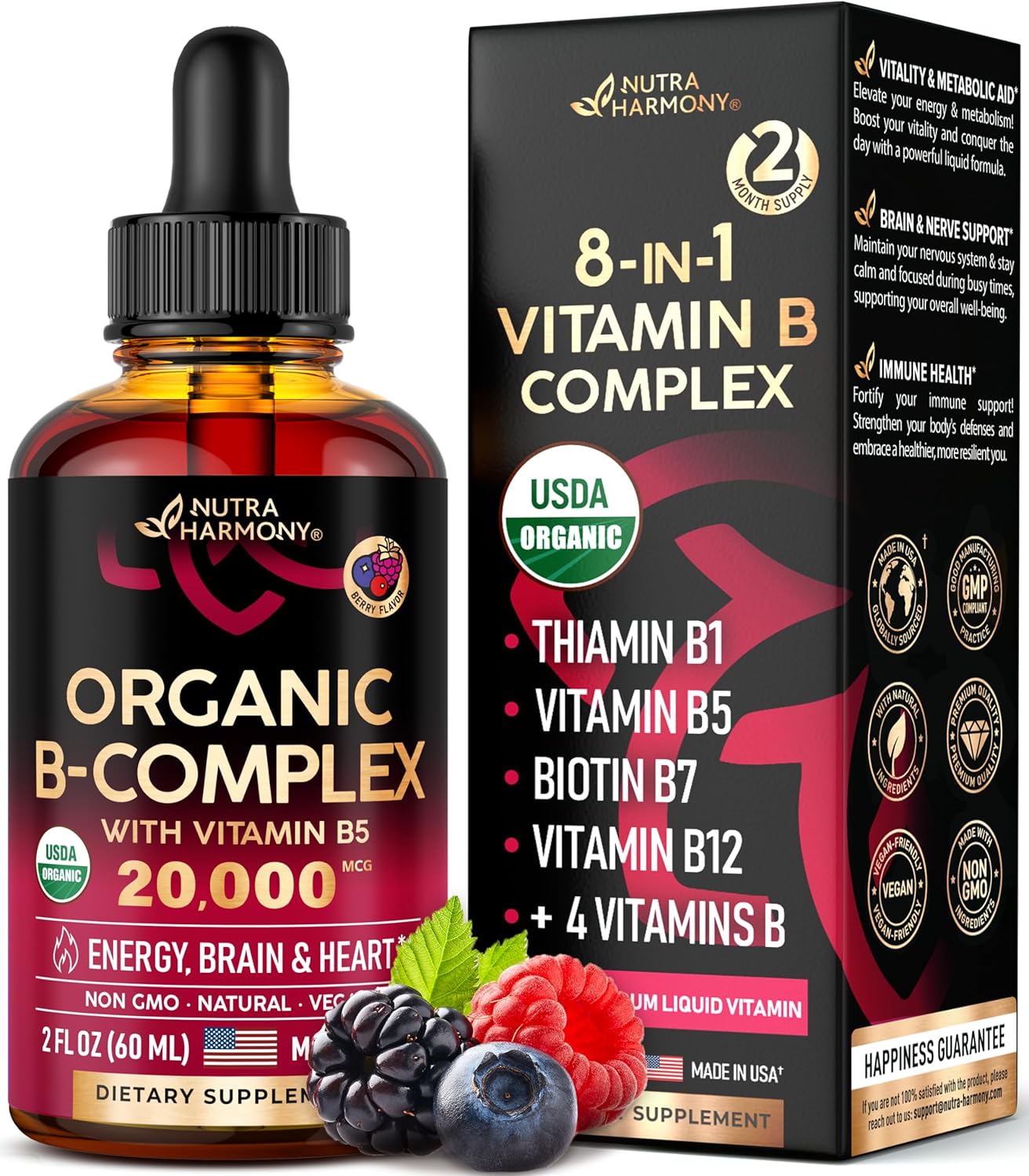
My Favorite Vitamin B-complex Liquid Supplement
Like This?
Share it
Why You Need to Strongly Consider Taking Vitamin B12
One of the most commonly supplemented B vitamins is Vitamin B12, as our body does not make this vitamin on its own. Vitamin B12 deficiency is a condition that occurs when there is an insufficient amount of Vitamin B12 in the body.
This essential vitamin plays a crucial role in the production of red blood cells, DNA synthesis, and proper functioning of the nervous system.
A deficiency in vitamin B12 can lead to various health issues, including fatigue, weakness, anemia, neurological problems, and mood disturbances.
Are You Prone to A Vitamin B-12 Deficiency?
Vegans, vegetarians, older adults, and individuals with certain gastrointestinal conditions are more susceptible to developing a deficiency since vitamin B12 is primarily found in animal-based foods.
Treatment typically involves dietary changes, such as incorporating vitamin B12-rich foods or supplements into the diet.
If left untreated, a vitamin B12 deficiency can have long-term consequences, underscoring the importance of recognizing and addressing this nutritional deficiency promptly.
Also worth noting, although vitamin b12 is water-soluble, the liver can store it in the body for years!
Excellent Vegan Sources of Vitamin B12:

- Chlorella
- Nori
- Nutritional Yeast
- Consider a B-12 supplement if you have specific dietary restrictions or deficiencies.

Global Healing Vitamin B12
Like This?
Share it
5. Vitamin A: The Vision and Skin Protector of Essential Vitamins
Vitamin A is an essential nutrient that plays a crucial role in maintaining healthy vision, supporting immune function, promoting cell growth and development, and ensuring proper functioning of various organs. It is found in orange and yellow fruits and vegetables and leafy greens.
It is especially vital for the health of the eyes, as it helps with vision in dim light and promotes the integrity of the cornea. Additionally, vitamin A is involved in maintaining healthy skin, boosting the immune system, and supporting reproductive health.
Vitamin A Deficiencies
Vitamin A deficiencies can result in vision problems, including night blindness and dryness of the eyes, weakened immune function, delayed growth and development, and impaired reproductive health.
It’s important to note that excessive vitamin A intake can be toxic, so it’s best to obtain it through whole foods rather than supplements.
However, taking vitamin A supplements under the guidance of a healthcare professional can help prevent deficiencies and support overall health.
Excellent Vegan Sources of Vitamin A

- Sweet Potatoes
- Carrots
- Spinach
6. Omega-3 Fatty Acids: The Brain Boosters Essential Vitamins
Omega-3 fatty acids are essential nutrients that play a critical role in supporting overall health and well-being. These healthy fats are known for their anti-inflammatory properties and are essential for proper bodily functions, such as repairs, growth, and development.
Omega 3s are very accessible in ALA (alpha-linolenic acid) form within foods such flaxseeds, chia seeds, and walnuts, making it easy to get adequate omega 3 dietary needs met.
Omega-3 fatty acids’ brain boosting benefits are associated with EPA (eicosapentaenoic acid) and DHA (docosahexaenoic acid) forms. These forms are naturally converted by the body by the ALA form which is available in mostly plant-based foods.
However, research indicates that this conversion process is slow and inefficient.
Meaning, it can be beneficial to deliberately add omega 3s to your diet in ELA/DHA forms because they are more bioavailable.
ELA & DHA forms of omega 3s are available in foods such as fatty fish and edible algae.
It is important to get adequate amounts of omega-3 fatty acids because deficiencies can lead to cognitive impairments, cardiovascular issues, mood disorders, and vision problems.
Adding sufficient amounts of omega-3-rich foods to your diet or considering omega-3 supplements can help ensure adequate intake, supporting optimal health.
Excellent Vegan Sources of Omega-3 Fatty Acids

- Chia seeds
- Flaxseeds
- Walnuts
- Hempseeds
- Edible algae (EPA & DHA sources)
- Supplements (EPA & DHA)
For more on the importance of Omega Fatty Acids, please visit
Conclusion:
Incorporating essential vitamins into your diet is a crucial step towards achieving holistic fitness and overall well-being.
Vitamin D, vitamin C, vitamin E, B vitamins, and vitamin A offer a wide range of benefits, from supporting bone health and immune function to promoting energy production and cellular protection.
Remember that a balanced and varied diet, coupled with regular physical activity, is key to achieving optimal health.
Consult with a healthcare professional to assess your specific nutritional needs and determine the best approach to incorporating these vitamins into your diet.
Prioritize whole foods as the primary source of vitamins as they are more likely to contain them. Additionally, consider supplements only when necessary and under professional guidance.
Embrace the power of vitamins and embark on the journey towards holistic fitness!
Daily Planner: How To Get Organized & Achieve Harmony
Looking for a way to stay organized, inspired, and motivated while taking care of your mental and physical health? Look no further than this daily planner with built-in holistic self-care prompts.


- Inspiring Graphics Hardcover Cover or Paperback.
- To-do List With Time & Date Prompts.
- Compact, 6×9.
- 184 pages, plus front and back makes 368 pages.
- Keep track of your goals, tasks, appointments, and more.
- Built-in holistic self-care prioritizer for Nutritional, Physical, Mental, Emotional & Spiritual Fitness.


Like This?
Share it
References:
National Institutes of Health. (2022, August 12). Vitamin D. Nih.gov. https://ods.od.nih.gov/factsheets/VitaminD-HealthProfessionalHolick, M. F. (2012). Evidence-based D-bate on health benefits of vitamin D revisited. Dermato-Endocrinology, 4(2), 183–190. https://doi.org/10.4161/derm.2001
Mohammad Alayed Albarri, E., Sameer Alnuaimi, A., & Abdelghani, D. (2022). Effectiveness of vitamin D2 compared with vitamin D3 replacement therapy in a primary healthcare setting: a retrospective cohort study. Qatar Medical Journal, 2022(3). https://doi.org/10.5339/qmj.2022.35
National Institutes of Health. (2021, March 26). Office of Dietary Supplements – Vitamin C. Nih.gov. https://ods.od.nih.gov/factsheets/VitaminC-HealthProfessional/
Roy, V., & Rana, P. (2021). Prescribing vitamin B complex: Need for reassessment. Indian Journal of Medical Research, 154(6), 781. https://doi.org/10.4103/ijmr.ijmr_1467_19
National Institutes of Health. (2022, March 9). Office of Dietary Supplements – Vitamin B12. Nih.gov. https://ods.od.nih.gov/factsheets/VitaminB12-HealthProfessional/
National institutes of Health. (2022, August 12). Office of Dietary Supplements – Vitamin A. Ods.od.nih.gov. https://ods.od.nih.gov/factsheets/VitaminA-Consumer/#:~:text=Vitamin%20A%20is%20a%20fat
Scott D. Doughman, Srirama Krupanidhi, & Carani B. Sanjeevi. (2007). Omega-3 Fatty Acids for Nutrition and Medicine: Considering Microalgae Oil as a Vegetarian Source of EPA and DHA. Current Diabetes Reviews, 3(3), 198–203. https://doi.org/10.2174/157339907781368968
Albahrani, A. A., & Greaves, R. F. (2016). Fat-Soluble Vitamins: Clinical Indications and Current Challenges for Chromatographic Measurement. The Clinical Biochemist. Reviews, 37(1), 27–47. https://www.ncbi.nlm.nih.gov/pmc/articles/PMC4810759/
Lykstad, J., & Sharma, S. (2021). Biochemistry, Water Soluble Vitamins. PubMed; StatPearls Publishing. https://www.ncbi.nlm.nih.gov/books/NBK538510/#:~:text=There%20are%20nine%20water%2Dsoluble
Lykstad, J., & Sharma, S. (2020). Biochemistry, Water Soluble Vitamins. PubMed; StatPearls Publishing. https://www.ncbi.nlm.nih.gov/books/NBK538510/


