
Self-Care By Tahira is a user-supported platform. Meaning we may make a commission at no extra cost to you when you use our links to make a purchase. Learn more on our Affiliate disclosure page.
With the world becoming increasingly demanding, stressful and fast-paced, many of us are losing trust in our gut feelings and relying more on logic. However, it is important to develop your intuitive skills if you want to make better overall decisions.
Intuition is that little voice inside you that alerts you to danger or tells you something isn’t quite right. It’s your sixth sense; a secret decoder ring built into your gut and brain. While everyone has intuition, not everyone listens to it enough. It’s great having common sense and logic – but intuition trumps both of those things every time.
Why Is Developing Your Intuitive Skills Important?
Logic and rationality are powerful tools to use, but they are not complete decision making tools. They can’t help you make a choice that needs more than just logic behind it. The key difference is that intuition is a unique sense of awareness about something or someone that can or can’t be explained. Whereas logic is a clear thought process for solving problems or decision making.
Intuition is an inherent source of intelligence that resides within each of us. And research suggests is a more accurate form of decision making than logic is. But in our fast-paced, highly-disciplined, “rational” world, many of us are losing trust in our intuition and relying more on logic than on our “gut feelings.”
How to Develop Your Intuitive Skills
As we’ve mentioned, everyone can tap into their intuition. However, not everyone uses it or cultivates it enough. Intuition is something that must be trained and developed over time. You can’t expect to be able to interpret your feelings and gut feelings correctly right off the bat. Intuition is considered to be a right brain process, using emotions, feelings, and images to produce awareness. The following “right brain” exercises can help develop intuitive skills.
- Get in touch with your feelings- One of the best ways to learn to interpret your feelings and gut feelings is to get more in touch with them. Journaling is a great way to start this.
- Ask yourself questions- One of the most important things you can do to get acquainted with your intuition is to ask yourself emotional questions. You can also ask close friends and family what they think about a particular situation or problem in your life. Observe your initial feelings to their responses without processing or analyzing the question first.
- Practice trusting your gut- To trust your gut more, you must first get in touch with it and learn to discern an intuitive feeling over an emotional bias.
- Be open to new experiences- Being open to new experiences can help you get to know yourself on a deeper level. New experiences can trigger your emotional responses and open you up to the idea of exploring your feelings more more.
- Visualization– visualization exercises can help you cultivate your intuitive and gut feelings.
5 Ways Developing Your Intuitive Skills Can Help You in Life and Business
- It helps you make better moments- Intuition is your gut feeling about a particular situation or person. It helps you to understand if something is right for you or if it’s a red flag.
- It helps you make better decisions- When you’re faced with a tough decision, your gut feeling can help you to choose the best option.
- It helps you avoid danger- If you’re ever in an unobviously dangerous situation, your intuition will give you a sometimes not so subtle nudge to get out of there.
- It helps you connect better with others- When you’re in a meeting or speaking with new people, your gut feelings can help you connect with them and understand them better on a deeper level.
- It helps you trust yourself- When you learn to trust your intuition, you learn to trust yourself and your abilities.
3 Warnings from Your Intuition
If you feel any of these things, open yourself up to your gut feelings and see what they are trying to tell you.
- A feeling of unease- If you feel uneasy about a particular situation, person or event, you should pay attention to that feeling. It’s your gut trying to protect you from something and it should be respected.
- A sinking feeling in your stomach- The pit in your stomach is a warning from your intuition that something isn’t right and you need to address it immediately.
- A negative feeling- If you have a negative feeling about something, even if there is no explanation for it, you should pay attention to it.
Conclusion
Your gut feelings are a powerful tool that you should not ignore. They can help you make better decisions, avoid danger, connect with others and trust yourself.
They can help you make better choices in life and business and are worth paying attention to. When you feel uneasy about something, don’t ignore your gut feelings. Instead, open yourself up to them and see what they are trying to tell you.
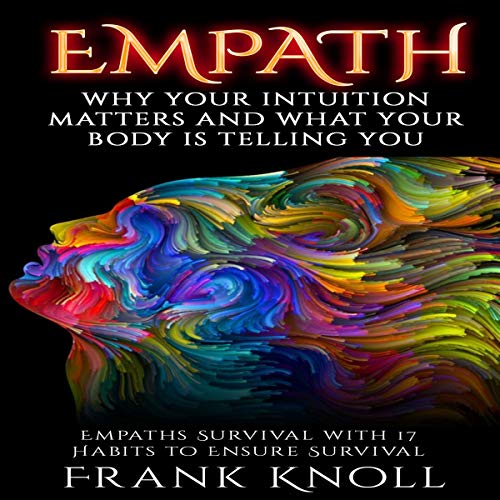
References
Zander, T., Öllinger, M., & Volz, K. G. (2016). Intuition and Insight: Two Processes That Build on Each Other or Fundamentally Differ? Frontiers in Psychology, 7. https://doi.org/10.3389/fpsyg.2016.01395
admin. (2016, May 18). The Study of Instinct: unraveling how the brain generates behavior. Science in the News. https://sitn.hms.harvard.edu/seminars/2016/study-instinct-unraveling-brain-generates-behavior/
Blumberg, M. S. (2016). Development evolving: the origins and meanings of instinct. Wiley Interdisciplinary Reviews: Cognitive Science, 8(1-2), e1371. https://doi.org/10.1002/wcs.1371


